By Joe Soliz, Transportation Technology Leader & Connected Fleet Innovator
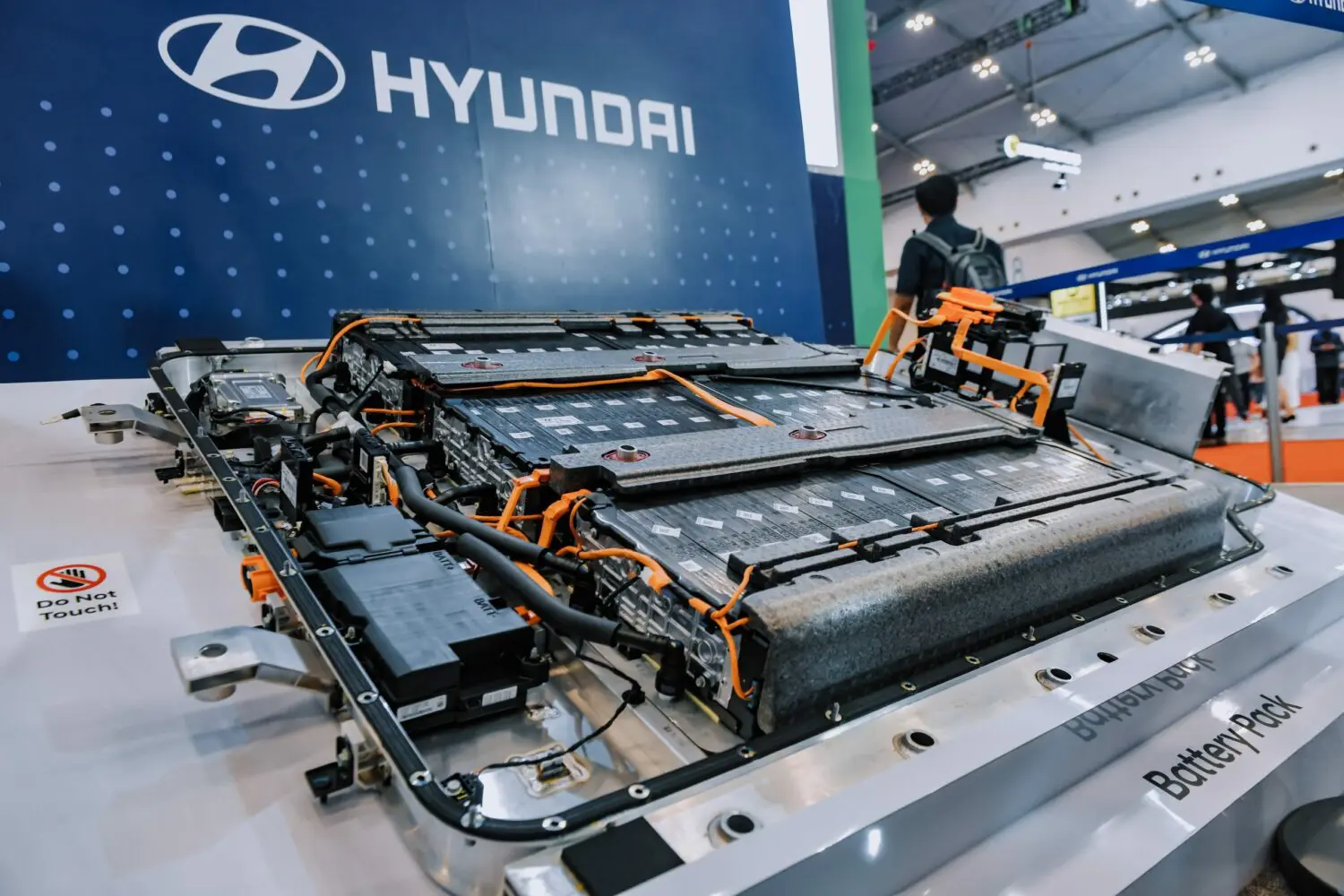
Hyundai’s new state-of-the-art Battery Diagnostics Lab signals that the next phase of the EV transition demands honesty, engineering transparency, and a more mature understanding of battery health.
For years, the EV conversation has been polarized: advocates promising flawless performance and skeptics predicting imminent collapse. Lost in the noise is a key truth—batteries are complex, age unpredictably, and meaningful progress requires hard data. Hyundai’s facility, which will rigorously analyze lithium-ion degradation in real-world use, is a strong step forward that the industry should emulate.
Why This Matters
The battery is the vehicle in the EV world. It determines range, safety, residual value, and total cost of ownership. Still, consumers and fleets have limited visibility into what happens inside their packs.
We diagnose engines with precision tools and analyze diesel and oil degradation at a granular level. But with EVs, the most software-driven vehicles in history, we rely on rough estimates and assumptions.
Hyundai’s lab highlights three key industry shifts: 1. Battery health demands transparency. 2. Hybrid approaches remain crucial. 3. Standardized, industry-wide data is essential.
Range estimates fluctuate. Capacity fades. Temperature cycles, fast charging, and driving behavior all influence longevity. Without data, fleet operators cannot forecast asset depreciation or lifecycle costs.
2. Hybrid strategies remain essential.
While some OEMs insist on an all-EV future, Hyundai is taking a more realistic approach: develop EVs, yes—but strengthen hybrids as a bridge technology. For many fleets, hybrids remain the most reliable path to decarbonization without compromising operational continuity.
3. We need industry-level standards—not isolated research.
A battery lab within one OEM is valuable, but real progress requires shared data, open frameworks, and standardized health scoring to unlock secondary markets and improve insurance models for hesitant fleets.
The Fleet Perspective: Why This Is a Turning Point
For commercial operators, where margins are tight and availability is everything, battery uncertainty has been the quiet dealbreaker. A degraded pack can turn a high-value asset into an operational liability overnight.
Hyundai’s initiative reinforces a growing shift toward:
- Predictive battery analytics
- Lifecycle modeling that fleets can trust
- Smarter charging strategies tied to real-state-of-health metrics
- A more honest dialogue about extreme-use environments
For those building the connected freight ecosystem, this is a welcome development. Transparent battery performance enables smarter routing and reduced downtime for any fleet, from delivery EVs to long-haul zero-emission corridors.
Hybrid + EV = The Actual Transition Path
Hyundai’s approach recognizes what policymakers often ignore: electrification is not linear. Hybrids offer the following advantages:
- Reliable range in extreme weather
- Lower infrastructure dependency
- Better economics for high-utilization fleets
- Simplified driver adoption
The EV transition will not be instant. It will be a diverse energy ecosystem that combines EVs, hybrids, renewable fuels, hydrogen, and telematics.
And the OEMs acknowledging this reality—not chasing slogans—will lead the next decade.
The Bottom Line
Hyundai’s Battery Diagnostics Lab is more than another R&D investment. It’s a statement:
The future of EVs requires real science, real measurement, and real accountability.
The EV industry’s next chapter demands engagement: demand transparency, push for engineering rigor, and hold automakers accountable for meaningful innovation. Join those shaping a smarter transition—your voice and actions will drive progress.
As we modernize the commercial freight environment through connected-vehicle data, V2X, and smart corridor management, advancements like this give us clarity. They help us build more reliable electrified fleets and smarter infrastructure.
The EV transition is underway. Now step up—advocate for open data, challenge the status quo, and partner across the industry to ensure this new era delivers on reliability and value for everyone.